

from The National Pulse:
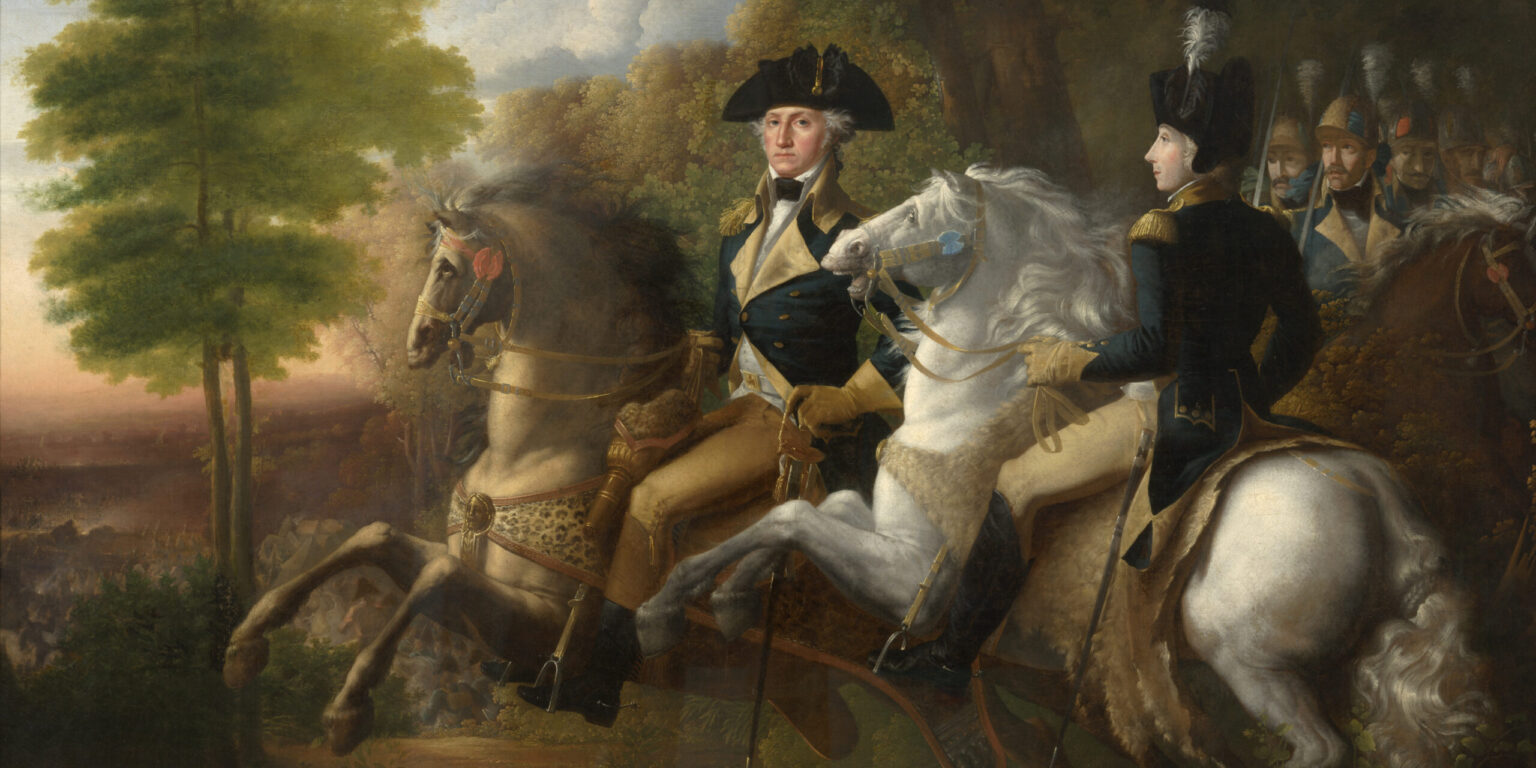 As the United States celebrates its semiquincentennial, popular memory naturally turns toward the triumphant moments in the Revolutionary War—moments like George Washington crossing the Delaware, the British surrender at Saratoga, and the decisive victory at Yorktown. Yet some of the greatest chapters in the story of America are not the Patriots’ victories, but the survival of their fragile experiment in the dark autumns of the late 1770s.
TRUTH LIVES on at https://sgtreport.tv/
Yesterday, for instance, was the anniversary of some of the lowest moments of the Revolution in 1776 and 1777, marked by crises of faith and governance. One saw Washington in despair, the other saw the physical eviction of the Continental Congress from its capital. Yet these low moments became the catalysts that forced a fractured alliance of thirteen colonies to organize their fledgling country under its very first constitution.
September 30, 1776: Washington Hits Rock Bottom.
By the final day of September 1776, General Washington was trapped in a nightmare. In the preceding weeks, the British had smashed the Continental Army at Long Island, seized Manhattan, and sent the Americans into a disorganized, demoralized retreat. Raw militia forces were panicking and fleeing the field at the mere sight of the redcoats. Supplies were virtually exhausted, and the army was on the verge of melting away as winter approached.
Pushed to his limits, Washington sat down on September 30, 1776, to write a deeply candid, private letter to his cousin, Mount Vernon estate manager Lund Washington. “In confidence I tell you that I was never in such an unhappy, divided state since I was born,” he wrote, confessing that he was “wearied to death all day with a variety of perplexing circumstances.” The Commander-in-Chief feared his reputation would be ruined by an army incapable of standing its ground, yet he knew he could not resign: “If I fall, I shall fall with a property that will give me no respectability… and yet, if I do not satisfy the public expectation, I must expect to be the scapegoat,” he said.
Read More @ TheNationalPulse.com
