

from 21st Century Wire:
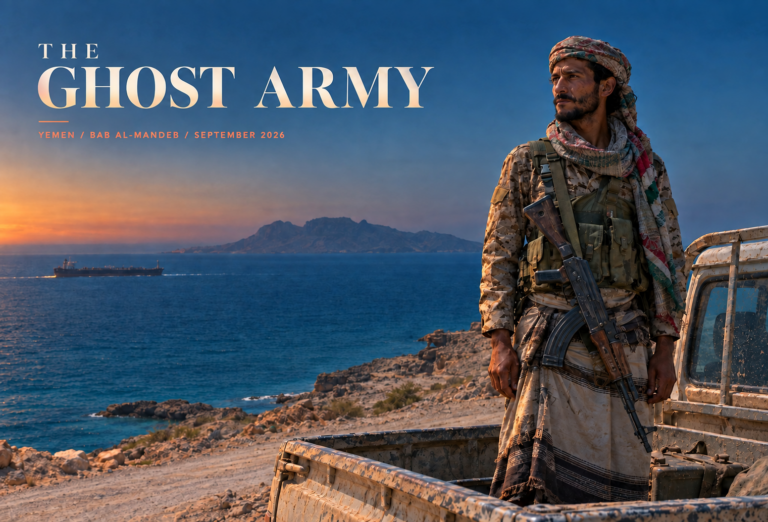 For years Yemen’s war appeared trapped in a bloody stalemate, its front lines barely moving, while the world’s attention stayed on Iran and the Strait of Hormuz. Then the war moved on to the Red Sea. Saudi-backed forces withdrew from Mocha as Ansar Allah entered the port. The group, known outside Yemen as the Houthis, swept south along Yemen’s western Red Sea coast as government-aligned positions that had held for years rapidly gave way. By the time government troops left Mayyun, a volcanic outcrop at the southern mouth of the Red Sea, their fighters were arriving by boat without meeting resistance.
TRUTH LIVES on at https://sgtreport.tv/
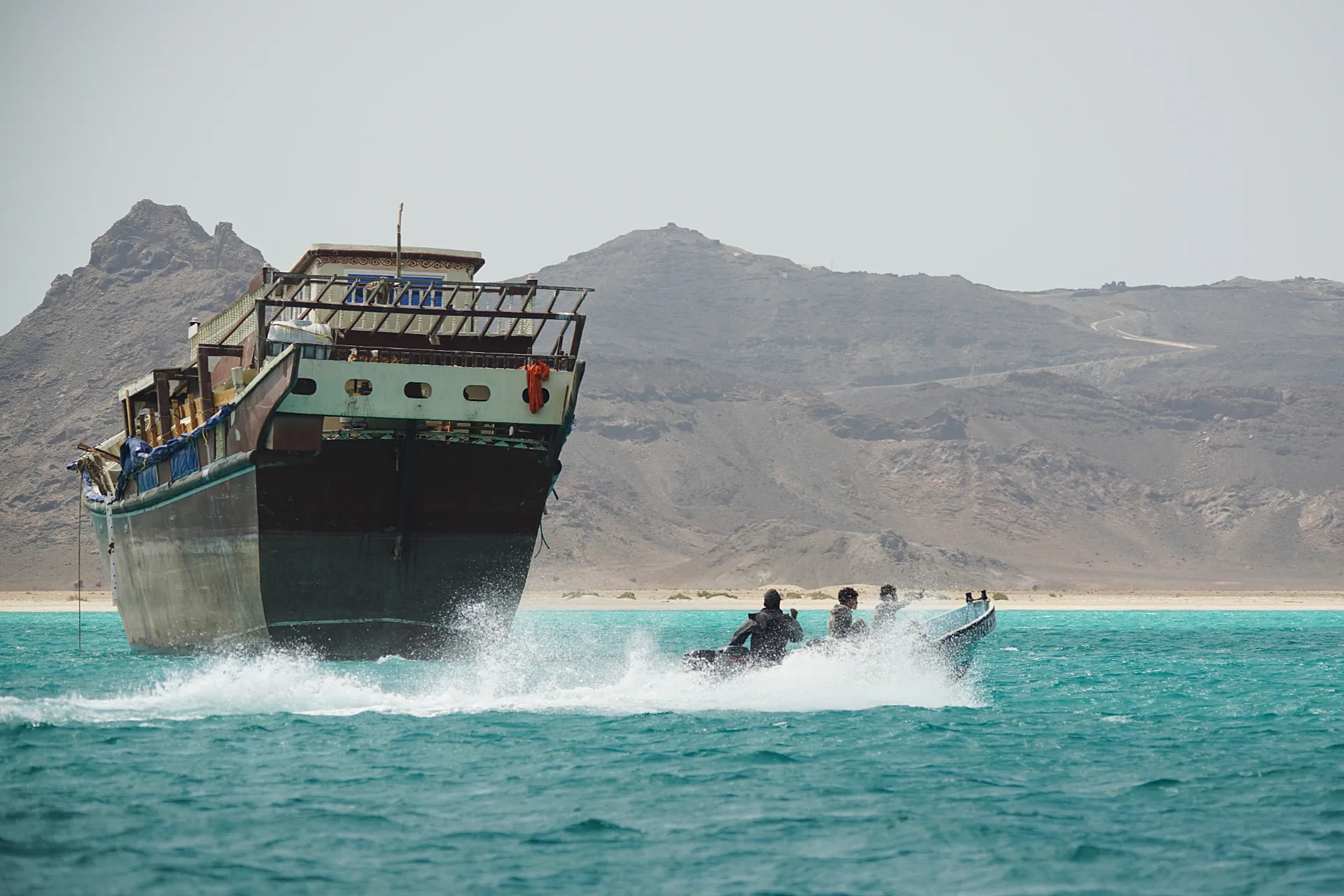
IMAGE: Small boats move through the waters off Mayyun in Bab al-Mandeb, the narrow southern entrance to the Red Sea. (Source: Euronews)
Mayyun is barely thirteen square kilometres, but it sits in Bab al-Mandeb, where the water narrows between Yemen and the Horn of Africa. Tankers and cargo ships coming from the Indian Ocean divide around the island before running north to the Suez Canal and Europe with Gulf oil and the trade that links Asia to European markets. Iran holds the Strait of Hormuz, so Saudi crude has to move west toward Red Sea terminals and that same channel. With Mayyun taken and Yemen’s west coast behind them, Ansar Allah now stands on the passage Riyadh had used as an escape route.
For more than a decade the Kingdom had paid Yemeni units along the eastern side of the strait to prevent exactly that—a shifting collection of local commanders, brigades and armed groups that Saudi Arabia and the United Arab Emirates armed separately, paid separately and presented as Yemen’s legitimate military. When the coast began to fall, the men those patrons had financed offered very little resistance; dozens of Giants Brigades personnel were captured, and Saudi military equipment was seized. In the rout, Saudi- and Emirati-backed forces lost Al-Omari camp, Jabal Dhubab and the commanding heights above Bab al-Mandab. Soon after, Zuqar Island fell, and large quantities of weapons passed into Houthi hands.
In the days that followed, Ansar Allah moved to turn the military collapse into permanent control, reopening roads and sending security, health, fuel and civil-service officials into Hays, Al-Khawkhah and Mokha. It offered amnesty and safe passage to fighters who surrendered their weapons, seeking to absorb the coast before its displaced rivals could regroup.
Five months earlier, Saudi Arabia had told soldiers in its allied Yemeni units to report in person before collecting their salaries. Each was asked for a fingerprint and an iris scan. More than 33,000 names reportedly failed to appear. The missing men had ranks, units and monthly wages, and their commanders had been paid to keep them armed. When Riyadh called them forward, nobody came. Five months later, as Ansar Allah came down the coast, they were still missing—the latest absence in a system that began decades earlier, when Yemeni sheikhs crossed the Saudi border, met the Kingdom’s rulers and left with money after a handshake.
The Handshake
Saudi Arabia had been paying Yemenis who never needed to show up long before the Kingdom asked 33,000 of them to put an eye to a scanner. The older method was a handshake in a royal reception, where a Yemeni sheikh offered the greeting required of a guest and left with 1.5 million Saudi riyals after a committee created by royal order had reviewed “allocations and aids” to tribal leaders. Interior, General Intelligence, Foreign Affairs, Defence and the Special Committee of the Council of Ministers all sat on that committee.
Read More @ 21stCenturyWire.com

