

by Matt Agorist, The Free Thought Project:
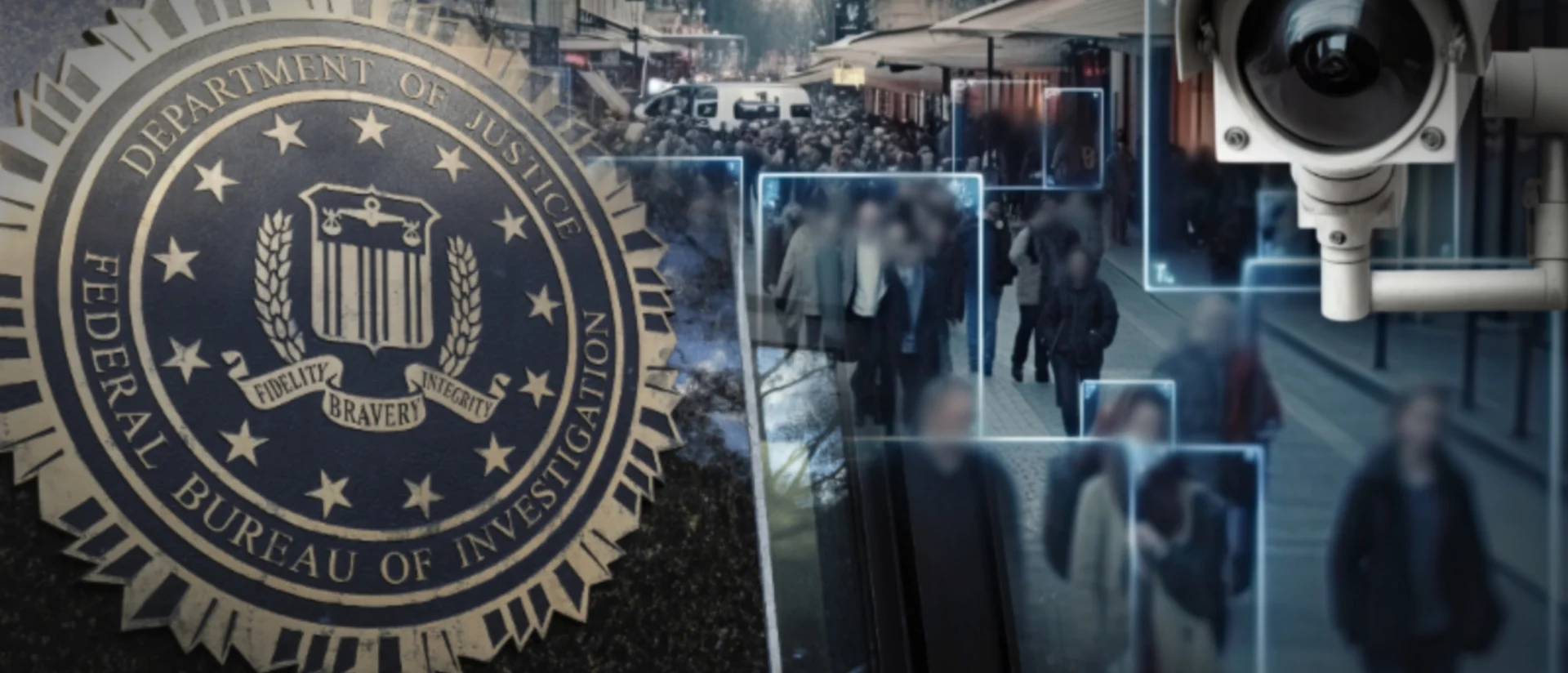
(FedScoop) The FBI more than doubled its AI use cases in the past year, according to the Department of Justice’s 2025 inventory posted Friday. Many of those uses are enabling law enforcement activities, from biometric and facial recognition capabilities to data synthesis and triage.
In 2024, the FBI had 19 AI use cases overall with 15 designated as helping to aid “law and justice.” Last year, the DOJ division accumulated 50 AI use cases total, and 27 of those were categorized as law enforcement.
“We don’t really have insight into the quality of AI that they’re using,” Patrick Eddington, senior fellow in homeland security and civil liberties at the Cato Institute, told FedScoop.
TRUTH LIVES on at https://sgtreport.tv/
None of the high-impact use cases, which are all part of law enforcement processes and have been deployed, have completed the required risk management steps as they quickly approach an April deadline. All except one of these use cases are powered by unnamed vendor-built systems.
“There’s a level of ambiguity in how they’ve chosen to describe some of the things in the document itself,” Eddington said. “It’s extremely difficult to get any kind of definitive sense in terms of how good it is, who’s conducting the oversight or auditing or stress testing.”
“From what I’ve seen so far, it gives me a sense of concern, unease [and] alarm,” Eddington added.
The FBI started about five new AI projects meant to generate investigative leads using suggested facial matches and other data as it worked to expand biometric capabilities. Four of those new systems are already actively being deployed in operations. None have additional details about managing potential risks.
“Unfortunately, DOJ, for a second year in a row, seems to have repeated many of the shortcomings we saw last year — primarily that’s their complete lack of any reporting about their implementation of risk management practices,” said Quinn Anex-Ries, a senior policy analyst focused on equity and civic tech at the Center for Democracy and Technology.
Read More @ TheFreeThoughtProject.com
